

Eurasia
Uniting crossroads of power and potential
The Working Group Eurasia, focusing on geopolitical shifts in Eurasia, analyses Russia's strategic interests, regional conflicts, and economic integration, particularly through organisations like the CSTO and SCO. It examines energy security, military alliances, and the impact of external powers. Monthly briefings deliver data-driven insights and visualisations on key security and diplomatic developments influencing the region's stability.
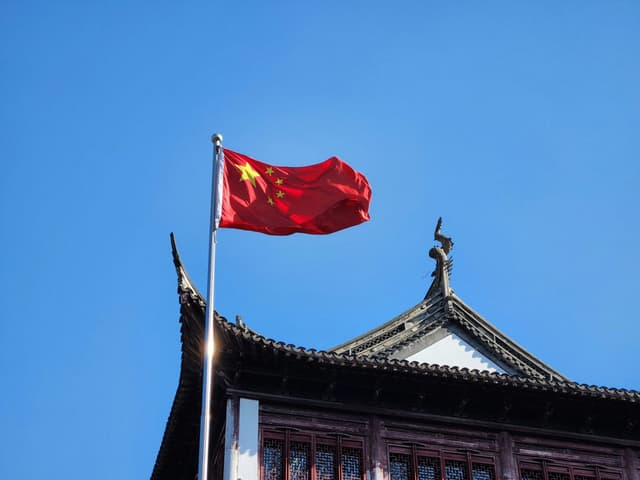
China’s Reactions to US Belligerence under Trump
How has China responded to recent U.S. actions in Greenland, Venezuela, and Iran? This article argues that rather than expanding through coercion, China has sought to project itself as a defender of diplomacy and peace, despite the opportunities created by global instability.
Policy Paper: The Cost of Unpredictability
Main question: how can policymakers address and navigate current geopolitical situation? Argument: Due to the absence of a central authority in the international system, states must rely on self-help. Conclusion: Policymakers should therefore adopt a hedging strategy by diversifying sector-specif…
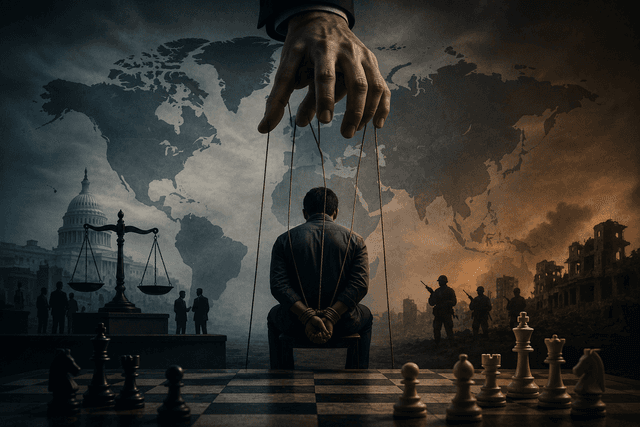
Hostage Diplomacy
Why are foreign nationals increasingly used as leverage rather than prosecuted? This article argues that hostage diplomacy persists because it yields strategic gains, making human vulnerability a recurring tool of negotiation in an increasingly fragmented international system.
Monetary Blocs and International Currency
As in the past, the fragmentation of the global economy and the formation of geopolitical blocs inevitably lead to the emergence of monetary blocs and changes in the system of international payments and international currency. In this text, we will attempt to outline some key elements of the dyna…
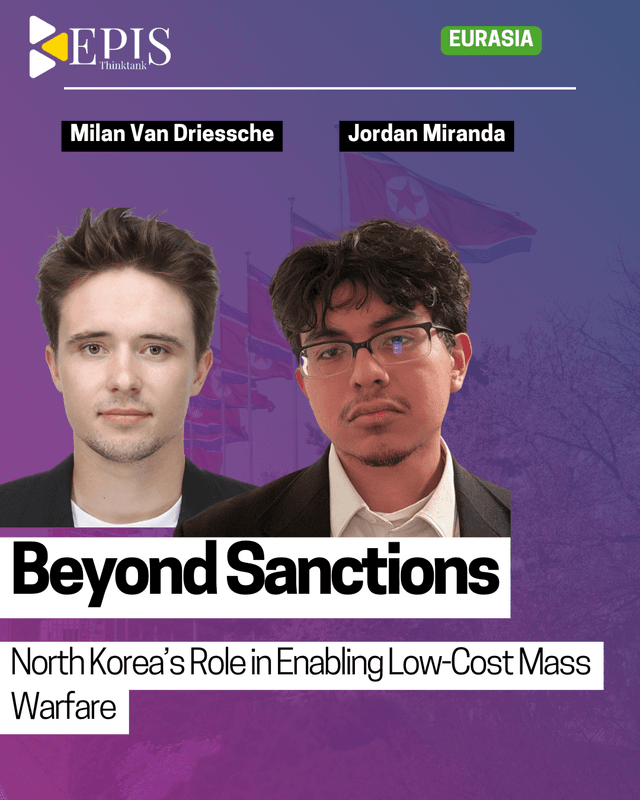
Beyond Sanctions
Main Question Has Western strategy accurately assessed North Korea’s true strategic role beyond its nuclear program? Argument North Korea is a central node in a Russia–Iran–North Korea axis, sustaining Russia’s war through munitions and troops, and enabling Iran’s missile capabilities, while rece…
Patriotism and Policy-Making in China
How does patriotism influence China’s policy-making in a fragmented global order? Patriotism acts as a source of national cohesion that supports long-term policies, especially in technological self-reliance. While effective for coordination, this model raises questions about debate, flexibility, …
Asian Energy Crisis: Who Lost the Most?
-How did the Hormuz blockade expose the vulnerabilities of China, Japan, and South Korea in international economic relations? -Their vulnerabilities were unequal, and their diplomatic responses diverged sharply along geopolitical lines, with the crisis threatening to permanently reshape Asian ene…
Gulf Instability Strains Central Asian Neutrality
– How does the Iran war affect Central Asia’s neutrality and trade? – The conflict disrupts key transit routes, raises prices, and forces C5 states to balance ties between Iran, the US, and regional partners. – Prolonged instability will strain neutrality, pushing Central Asia to diversify trade …
Strait of Hormuz
This essay aims to highlight the impact of the current blockade of the Strait of Hormuz on the EU, how it is managing, relatively, the crisis effectively, and what this entails for its strategic (energy) autonomy plans.

MSC 2026: Reconfiguring South Caucasus Security
How is the South Caucasus reshaping itself in a new geopolitical environment? Amid shifting power dynamics, evolving trade routes and regional realignments the region is moving from geopolitical periphery to strategic corridor. At MSC 2026, discussions confirmed that connectivity has become the…
EU-China: Interdependence and Strategic Rivalry
Main Question: How have 50 years of EU-China relations evolved amid economic interdependence and strategic competition? Argument: While the EU and China remain economically interdependent, China’s growing power and geopolitical ambitions have shifted the relationship toward rivalry, creating imba…

The Failure of R2P’s Third Pillar
What barriers are there to the adoption and enforcement of the Responsibility to Protect Doctrine? Through the case studies of Myanmar, Ukraine, and the Democratic Republic of the Congo, this article examines how strategic and economic interests serve as a barrier to R2P’s implementation. Applica…
Escalation
The article explains what military escalation is and how it can help us understand events. In doing so, the contribution presents the dimensions of vertical, horizontal, and political escalation. The concept of escalation cna help evaluate military options and assess their consequences.
Maduro Gone: Impacts on Russia, China & Iran
How does Maduro’s removal reshape the strategic positions of Russia, China, and Iran in their respective regions? Each nation faces the threat of American resources being allocated to the Indo-Pacific, Middle East, and Eastern Europe as Russia, Iran, and China face military and diplomatic losses.…

The EU as an External Actor in the Armenia-Azerbaijan Conflict
– How effective is the EU as an external actor in the Armenia-Azerbaijan conflict? -The EU’s normative ambitions and soft power engagement are constrained by political divisions, lack of hard security tools, and competition from Russia, Turkey, and the US. -While politi…
Implications of China–Russia Security Talks
– How durable is China–Russia security cooperation, and how do Japan and Ukraine test its limits? – The partnership is not an alliance but a flexible, institutionalised coordination that allows alignment while managing risk, asymmetry, and disagreement – China–Russia security ties will persist bu…
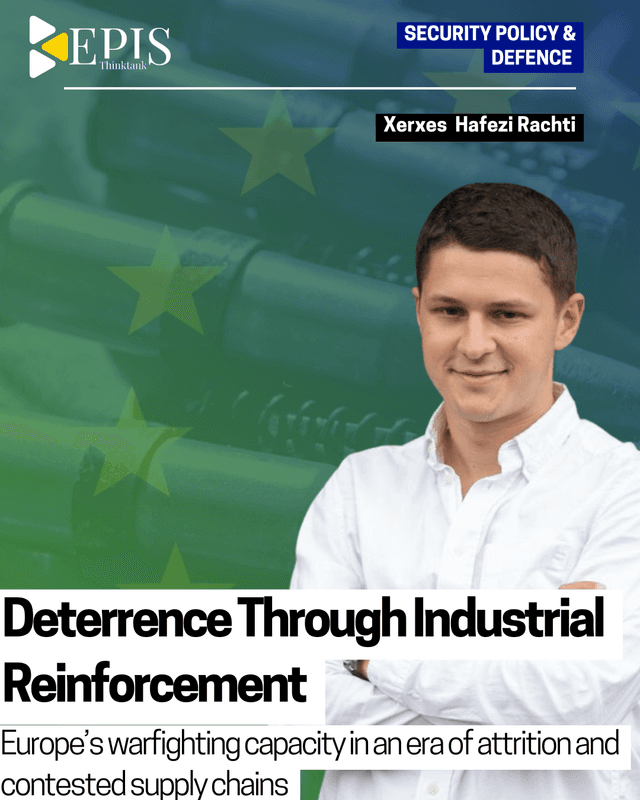
Deterrence Through Industrial Reinforcement
How does Europe’s defence-industrial base compare to Russia’s war economy, and what must Europe change to sustain high-intensity war and credibly support Ukraine as US backing wanes? Industrial capacity, mobilised at scale and able to adapt legacy systems, matters more than cutting-edge tech in a…
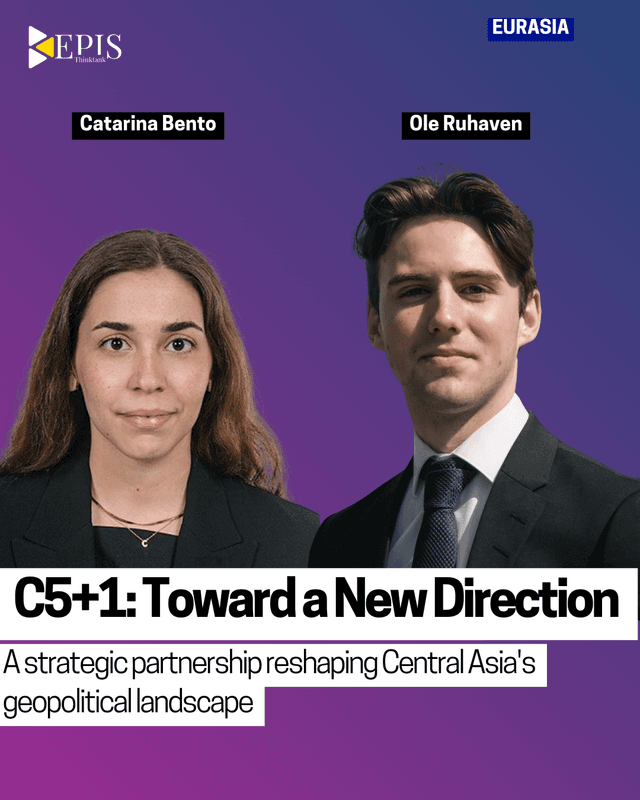
C5+1: Toward a New Direction
– How is the U.S. leveraging the C5+1 to counter Russia and China’s dominance in Central Asia? – This year’s C5+1 Summit elevated U.S. – Central Asia relations, with Washington advancing concrete economic initiatives to strengthen its position in a region long dominated by Moscow and Beijing. – …
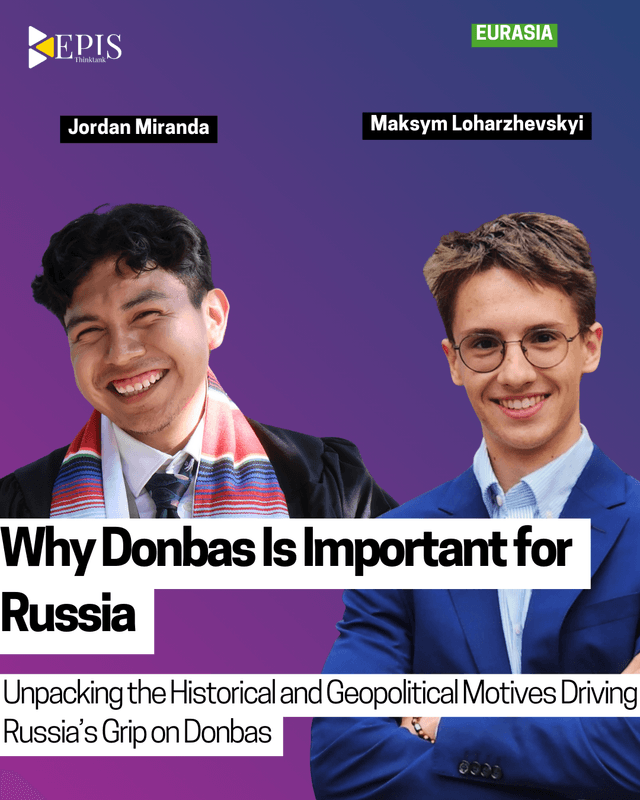
Why Donbas Is Important for Russia
– Why is the Donbas region so vital to Russia’s strategy in Ukraine and Europe? – Donbas embodies Russia’s historical drive for territorial control, provides key industrial and strategic advantages, and serves as a platform for projecting military and political influence. – Control of Donbas rein…
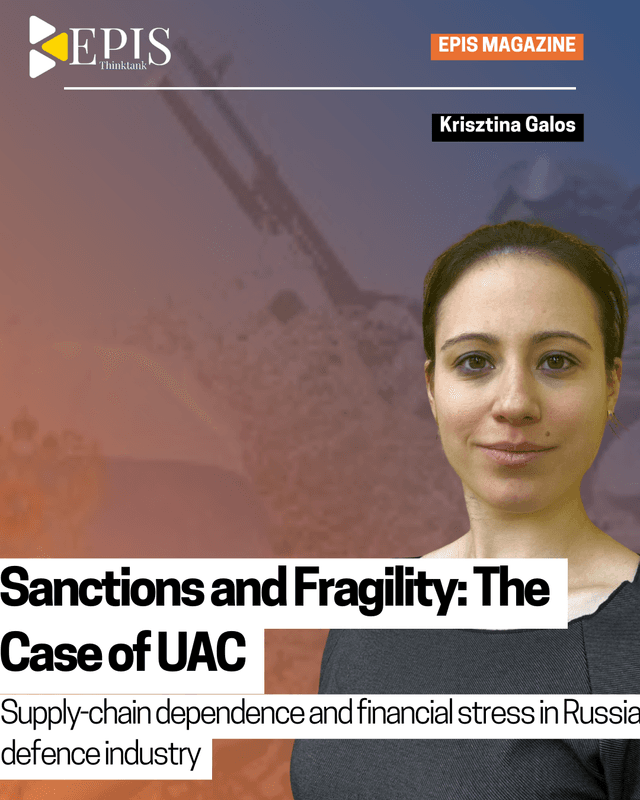
Sanctions and Fragility: The Case of UAC
Main question: Has UAC reduced foreign dependence and achieved financial sustainability after 2022? Argument: Despite sanctions and redomiciliation efforts, UAC remains structurally dependent on foreign technological inputs while its financial indicators deteriorate. Conclusion: UAC’s continued o…