

All Publications
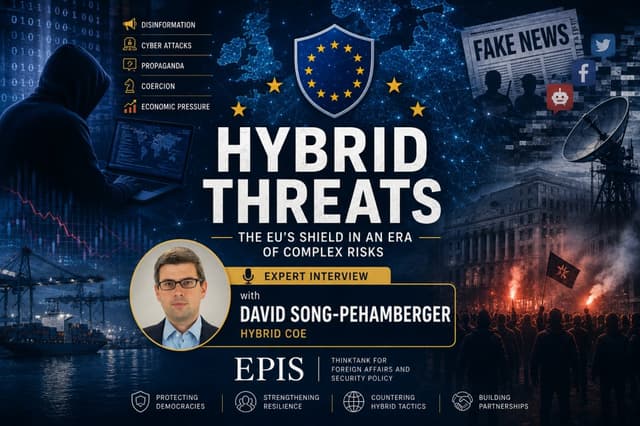
Countering Hybrid Threats in the Grey Zone
As hybrid threats increasingly challenge Europe’s security and democratic resilience, David Song-Pehamberger of Hybrid CoE explores the evolving threat landscape, the EU’s response, and how Europe can strengthen its resilience in an era of complex risks.
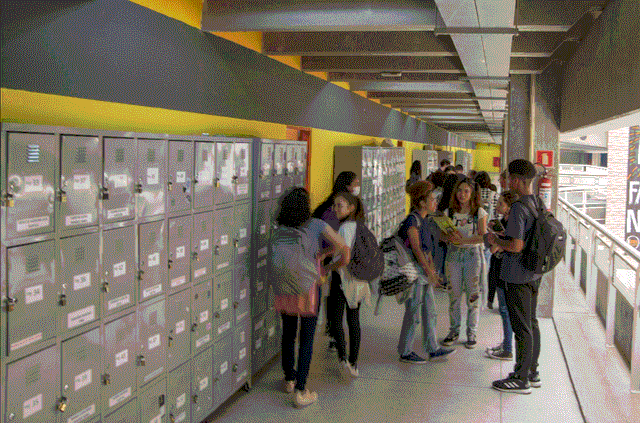
Safer Schools
While school shootings remain a significant concern for schools and policymakers, the increasing number of incidents highlights the need for effective prevention and mitigation measures. This article explores these mitigation measures from early detection to preparedness and emergency response.
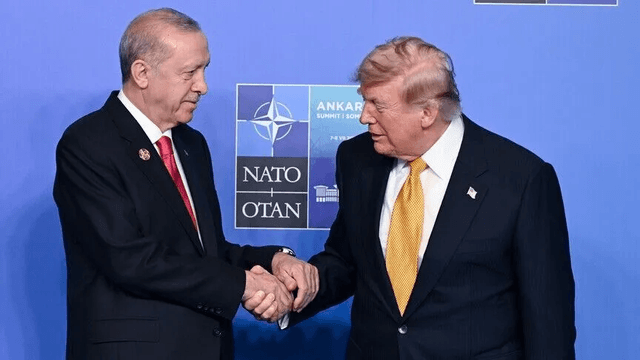
NATO Summit in Ankara
The 2026 NATO Summit in Ankara marked a shift toward “NATO 3.0,” focusing on increased defence spending and burden-sharing. Key outcomes included U.S. plans to lift sanctions on Türkiye, 70 billion dollars in aid for Ukraine, new multinational defence deals, and heightened tensions over Greenland.
Turning EU Priorities Into Regional Action
The 2026 Macro-regional and Sea Basin Strategies Days highlighted how EU cooperation frameworks can strengthen territorial collaboration, resilience, and the implementation of shared EU priorities across regions.

The Berlin Pride Attack and the Migration Myth
The Berlin Pride attacker was German-born, yet right-wing populists blamed migration. Drawing on research into migration and terrorism, this article shows why the attack points to domestic radicalisation, not a “Trojan horse”, and why integration remains part of effective security policy.

Fed, Not Informed
Algorithms feed us more news every day, but less explanation. Here’s how that’s reshaping political belief – one trend at a time.

The EU and the Limits of Mediation
Recent years have witnessed a resurgence of explicit interstate military conflicts, as geopolitical tensions increasingly develop into direct confrontations. The Russia–Ukraine war represents the defining conflict of this period and serves as the foundation for this paper.
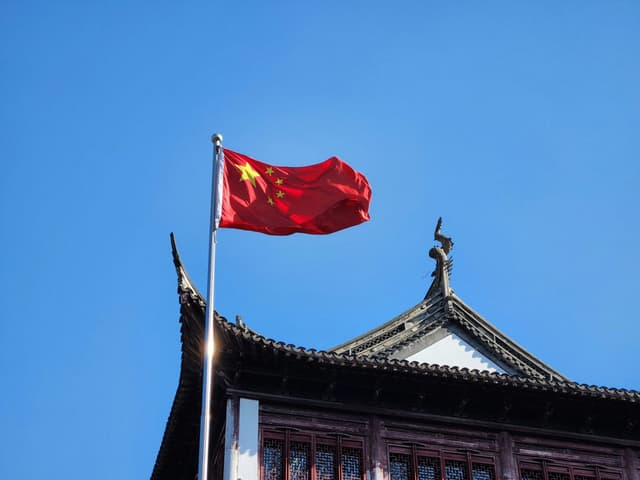
China’s Reactions to US Belligerence under Trump
How has China responded to recent U.S. actions in Greenland, Venezuela, and Iran? This article argues that rather than expanding through coercion, China has sought to project itself as a defender of diplomacy and peace, despite the opportunities created by global instability.

US sanctions and Venezuela’s energy security?
The origins of Venezuela’s lasting energy security crisis and its effects on the country’s public order and broader economy are often explained in light of the United States’ increasingly interventionist foreign policy in the region. The United States administration’s promotion of great power dip…

The Middle-Power Moment
European foreign policy should deepen cooperation with democratic middle powers to strengthen international law, economic resilience, and collective security through a strategy of principled realism amid intensifying great-power competition.
Surviving the Spring
Show moreShow lessMain question: How did Egypt’s regime survive the 2011 uprising and re-emerge stronger? Argument: It did so through “compound authoritarianism” — the interaction of institutional entrenchment (military control), economic co-optation (rentier dynamics), and calibrated repression.…

Airbus Defence Summit 2026 Event Report
The first Airbus Defence Summit took place on 20 May 2026 in Manching, Germany. Discussions focused on European security and strategic autonomy, with speakers stressing industrial cooperation and dual-use technologies. A dedicated ED2 dialogue engaged Gen Z on deterrence as a shared responsibility.

Cyberattacks on EU Critical Infrastructure
Which EU critical infrastructure sectors face the greatest cyber risk, and which threat modalities are most active? The EU threat environment is bifurcated: high-volume DDoS/hacktivism pressures availability, while lower-volume intrusions cause high-consequence outcomes like ransomware and data t…

A New Challenge for the DRC
Geographic vulnerabilities, a fragile healthcare infrastructure, community resistance, and a rapidly spreading viral strain with no previously approved countermeasures mean the crisis threatens to eclipse the devastation of past epidemics.
How effective have the EU’s Sanctions against Russia really been
Since 2022, the European Union has imposed twenty packages of sanctions against Russia, which depicts the largest number of restrictive measures in EU history that have ever been made. More than 2,700 individuals and entities have been listed, and over €28 billion in private assets have been froz…
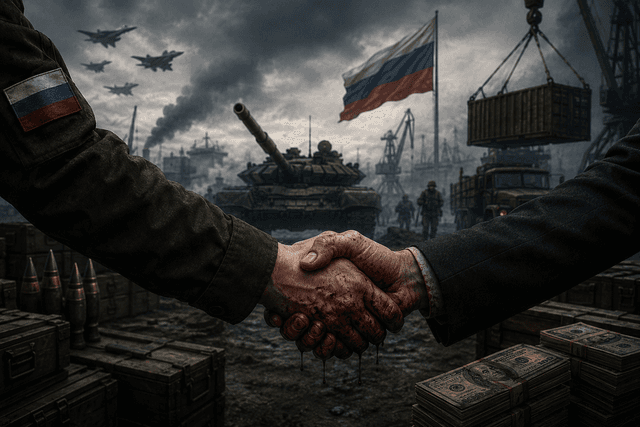
Selling War: Russia’s Strategy of Deathonomics
In early January 2026, a video of Kenyan Francis Ndung’ Ndarua went viral on social media. In the video, Ndarua is seen with an anti-tank mine strapped to his chest. Russian soldiers had ordered him to storm the Ukrainian front line as a human “can-opener” under humiliation with racist slurs (CNN…
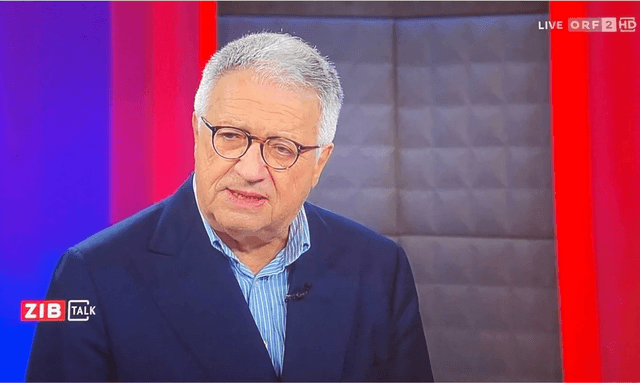
Art of Diplomacy
In an interview with EPIS, Ambassador Wolfgang Petritsch reflected on his diplomatic career, conflict negotiation, and the decline of multilateralism. He stressed engaging non-state actors for peace, the vital role of middle powers, and the need for patience, empathy, and human rights in diplomacy.

Eurosatory 2026
The report discusses the Eurosatory 2026 exhibition, where industry leaders showcased new technologies and discussed, alongside European defence officials, NATO and research institutions, how industrial resilience, financial mobilisation, rapid innovation, and Ukraine’s battlefield experience are…
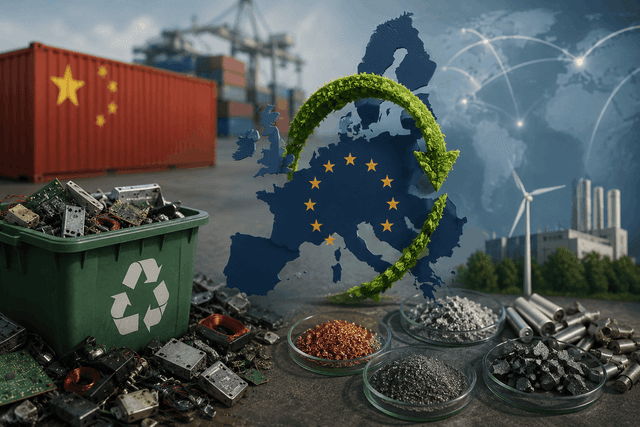
Securing Europe’s Supply of Raw Materials
China’s April 2025 rare-earth export controls exposed the EU’s dependency, and vulnerability. This article asks whether a single market for waste and recycling, championed by Draghi, could turn Europe’s own end-of-life products into a genuine strategic asset securing critical raw material supply.

European Defence and Security Summit Report
From procurement contracts that ‘insure’ production capacity to the Turkey question, three takeaways from the European Business Summit Defence and Security at the heart of the EU’s defence readiness dilemma: closing today’s gaps while building tomorrow’s autonomy.


