

International Security
/Read the full issue
Innovation and Growth in a Time of “Zeitenwende”
The European security architecture is facing historical challenges. David Voskuhl (Public Relations at Diehl Defence) speaks in this interview about his path into defense technology, the global networking of systems, and the difficulty of creating planning certainty in a world full of uncertainties.

EU-China: Interdependence and Strategic Rivalry
Main Question: How have 50 years of EU-China relations evolved amid economic interdependence and strategic competition? Argument: While the EU and China remain economically interdependent, China’s growing power and geopolitical ambitions have shifted the relationship toward rivalry, creating imba…
Agenda Shaper on Ukraine
How has the European Parliament (EP) used own-initiative (INI) reports to shape the EU’s support to Ukraine whilst advocating more EU influence? The EP urged stronger support to Ukraine via informal agenda shaping, arguing that this crisis and its values necessitate a stronger role on foreign pol…
The Eastern Mediterranean as Transmission Belt
Main question: Why is a region linking multiple geopolitical systems persistently underdiscussed? Argument: The Eastern Mediterranean functions as a systemic transmission belt structured by a maritime–energy nexus across sub-, system-, and supra-levels. Conclusion: Neglecting its connective struc…
On Exile And Expertise:
How can the Syrian diaspora be effectively mobilised to support post-Assad reconstruction without repeating past pitfalls? Diaspora engagement offers valuable skills and social capital, but externally imposed approaches risk elite capture and legitimacy backlash. A demand-driven, locally anchored…

The Arctic as a Climate Driven Security Frontier
Main question: How does climate change reshape Arctic security dynamics? Argument: Environmental change acts as a structural driver, expanding access while increasing infrastructure vulnerability and strategic exposure. Conclusion: The Arctic is becoming a contested operating domain where effecti…
Escalation
The article explains what military escalation is and how it can help us understand events. In doing so, the contribution presents the dimensions of vertical, horizontal, and political escalation. The concept of escalation cna help evaluate military options and assess their consequences.

Strategic Evolution
Team-Centric Leadership: True leadership is rooted in organizational culture. Success relies on utilizing the collective intelligence of a team rather than solitary decision-making. Whole-of-Society Resilience: Security is no longer purely military. It requires integrating the Bundeswehr with civ…
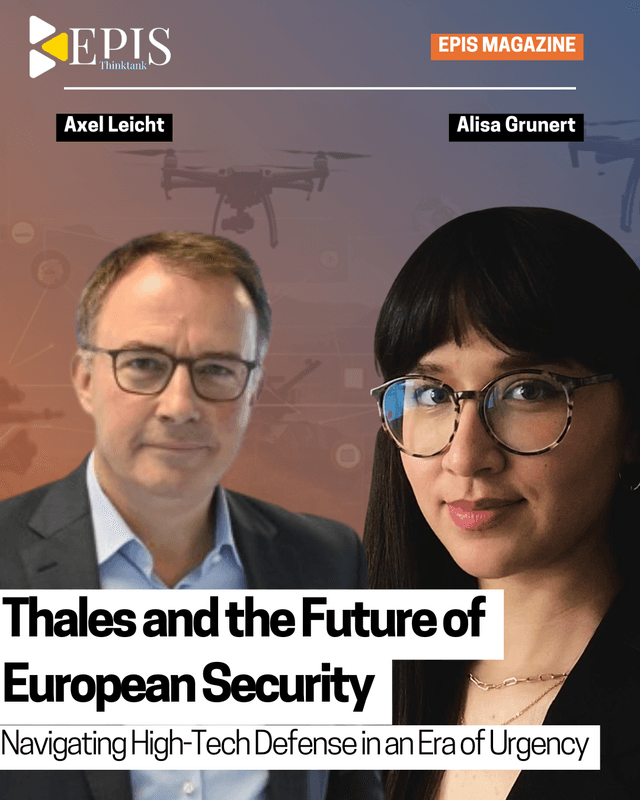
Thales and the Future of European Security
System Criticality: Thales provides essential, non-interchangeable naval and radio systems. Their deep integration means entire weapon platforms would fail without their specific subsystems. Technological Autonomy: By divesting from civilian sectors and investing €10B in AI, Big Data, and Cyber, …
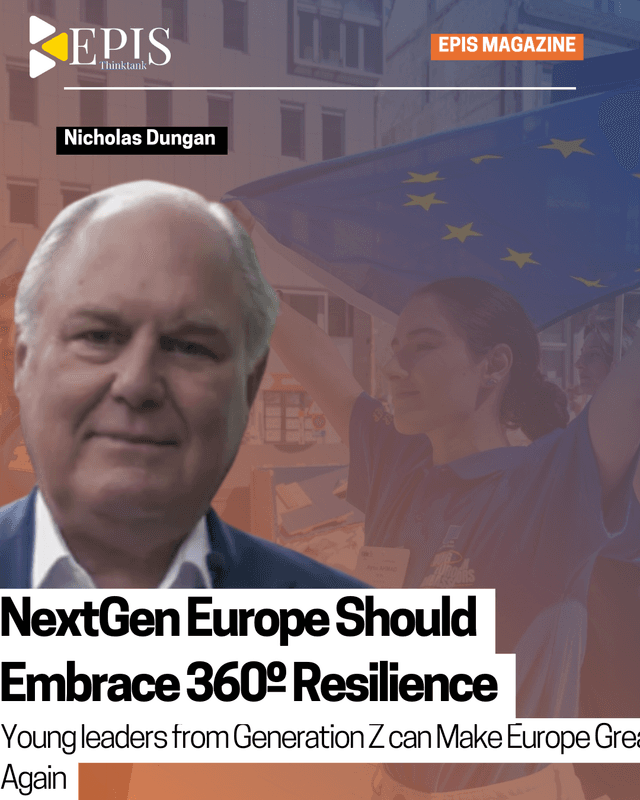
NextGen Europe Should Embrace 360º Resilience
– Europe faces many threats: American aggrandisement, Chinese competition, Russian revanchism. – Europe’s young leaders currently emerging from Generation Z — those born roughly between 1995 and 2010, aged between 16 and 30 today — have the qualities that can Make Europe Great Again. – To do that…
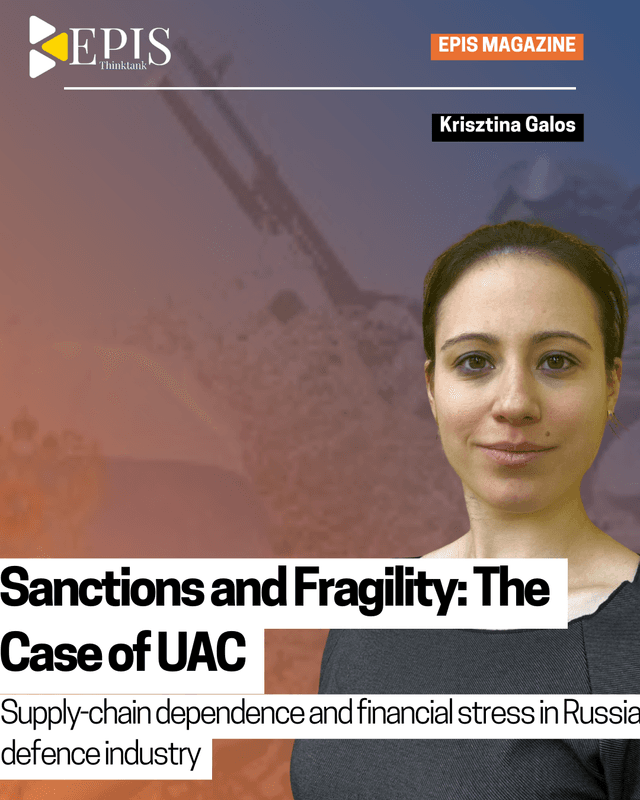
Sanctions and Fragility: The Case of UAC
Main question: Has UAC reduced foreign dependence and achieved financial sustainability after 2022? Argument: Despite sanctions and redomiciliation efforts, UAC remains structurally dependent on foreign technological inputs while its financial indicators deteriorate. Conclusion: UAC’s continued o…
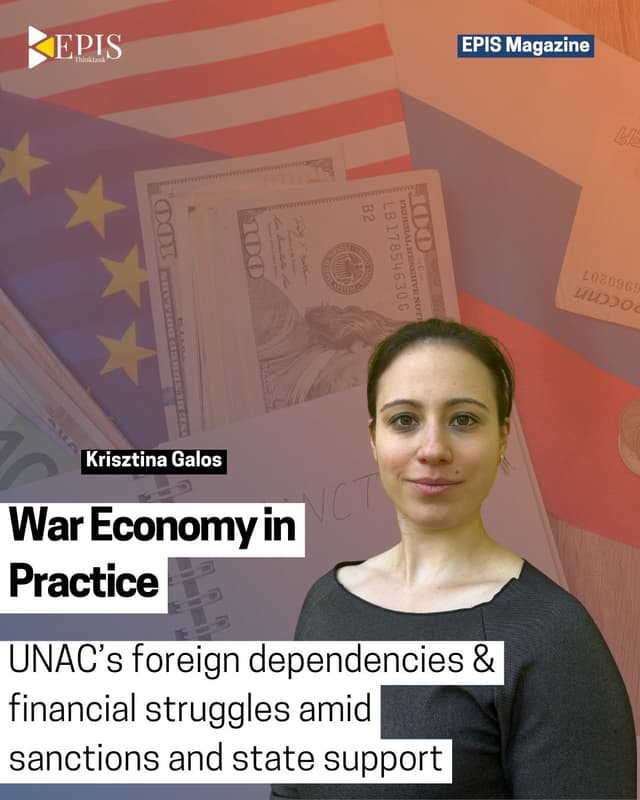
War Economy in Practice
Main question: How has UNAC’s international supply-chain exposure changed over the past five years amid sanctions? Argument: Despite state efforts, UNAC remains reliant on foreign suppliers, especially for high-tech components. Conclusion The 2022 invasion triggered financial strain, with UNAC di…
From Reactive to Proactive Cyber State
1. How has the United States’ approach to offensive cyber operations evolved after Trump’s first administration? 2. The U.S. moved from deterrence to persistent engagement, under the “Defend Forward” strategy introduced by Trump and institutionalised under Biden 3. Expanding offensive cyber oper…