

Geopolitics & Strategy
/Read the full issue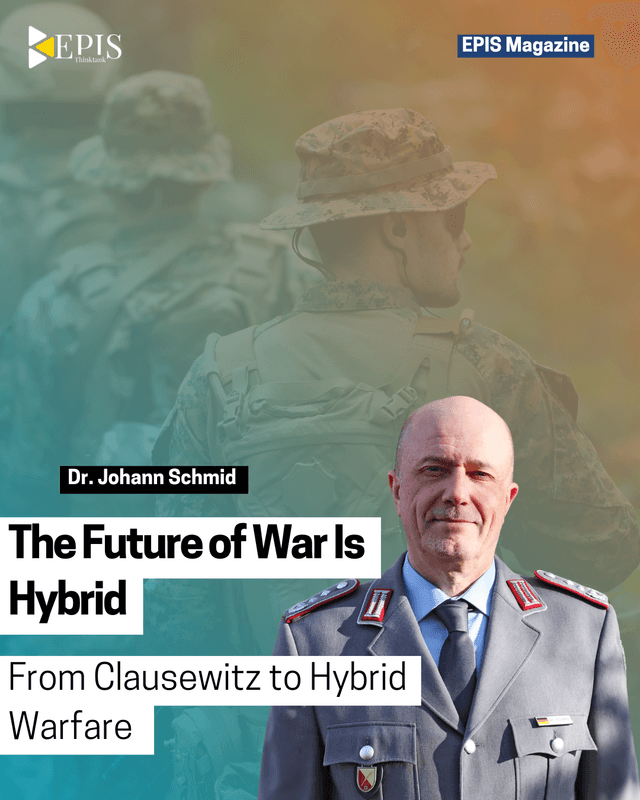
The Future of War Is Hybrid
Hybrid warfare is shaping the future of conflict by expanding battlefields beyond the military domain, leveraging political, economic, and societal pressures. Drawing from Clausewitz, Johann Schmid argues that defense remains stronger than offense, but hybrid strategies exploit grey areas and str…
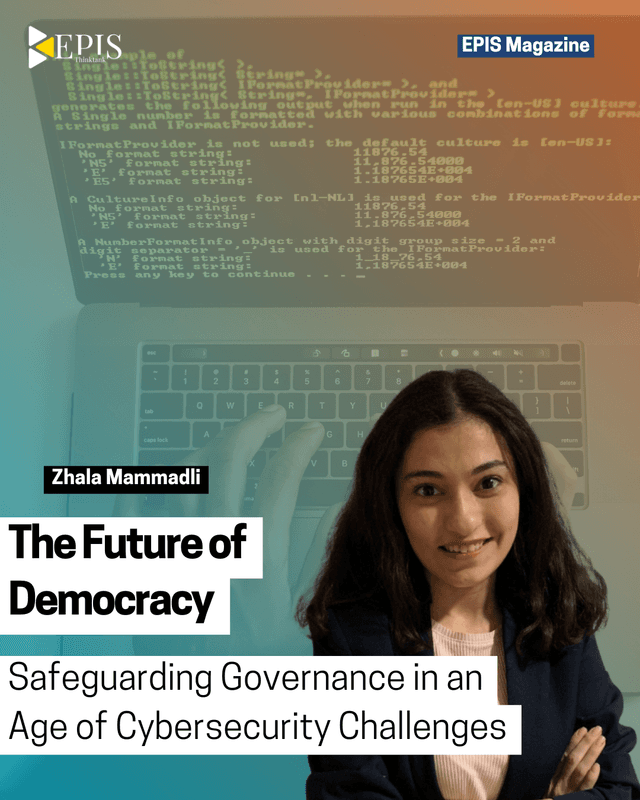
The Future of Democracy
Democracy faces growing cybersecurity threats in the digital age. Zhala Mammadli explores how cyberattacks, misinformation, and AI-driven manipulation undermine electoral integrity and public trust. While digital platforms expand political participation, they also expose democracies to hacking, d…
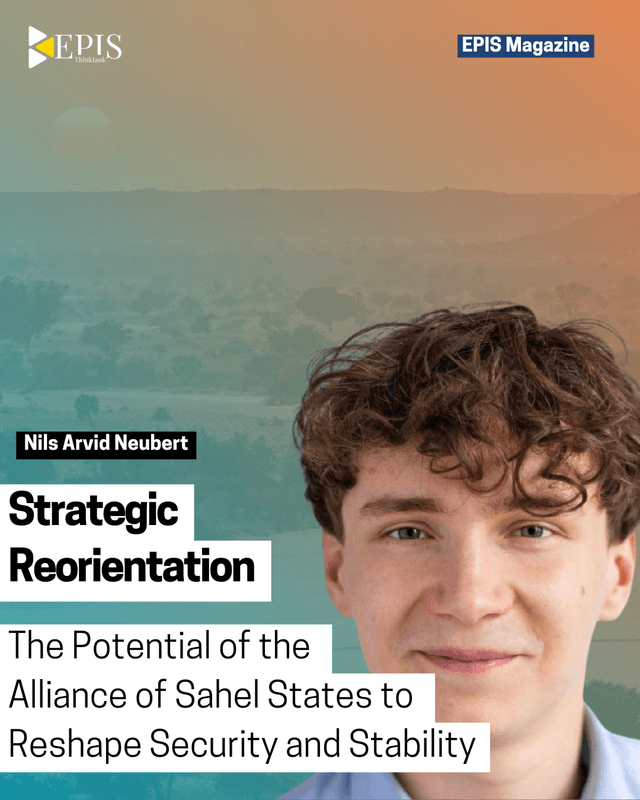
Strategic Reorientation
The Sahel is undergoing a profound geopolitical shift. Nils A. Neubert examines how the Alliance of Sahel States (AES)—Mali, Niger, and Burkina Faso—has broken from Western security partners, turning instead to Russia and Turkey. While AES’s joint military force improves operational flexibility, …
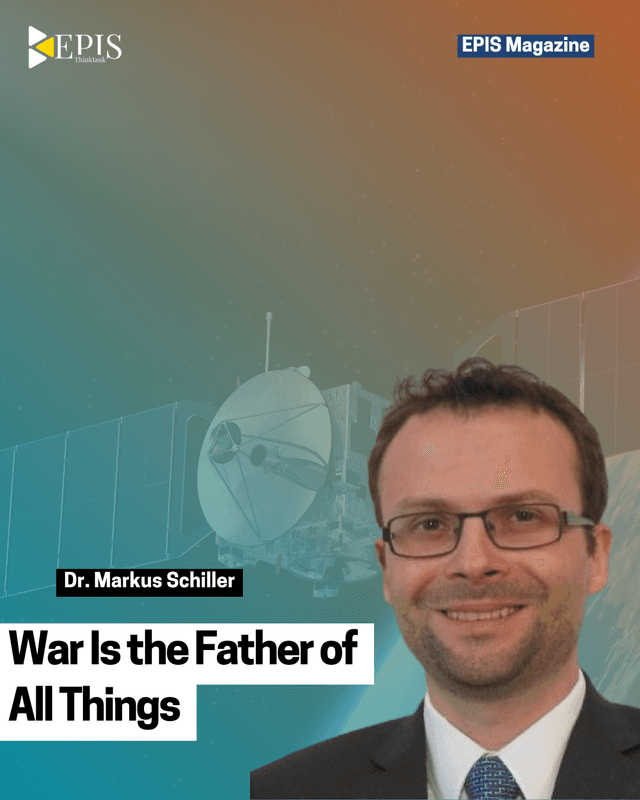
War Is the Father of All Things
Space exploration has always been driven by military interests. Markus Schiller examines how the arms race shaped spaceflight, from Cold War-era missile programs to modern satellite warfare. As China, Russia, and the U.S. expand military space capabilities, Europe lags behind. While commercial ac…
Estonia at the Forefront: Digitalisation and Defence
Marika Linntam, Estonian Ambassador to Germany, discusses her career, Estonia’s digital leadership, and security policies. Estonia pioneered digitalisation, offering nearly all government services online. Cyber security is crucial, especially after Russian cyber-attacks in 2007. Estonia strongly …
Contemporary Sabotage Operations
State-led sabotage remains a key tool of influence, mirroring Cold War doctrines despite shifting justifications. Malte Koppermann essay argues that while ideological motives have faded, the core objective—disrupting adversaries’ policies and capabilities—remains unchanged. Both the U.S. and Russ…
The Change in German Gas Policy
Germany’s shift from Russian gas to LNG aligns with EU energy security goals but reveals contradictions. Joschka Menge examines how Germany diversified suppliers, invested in LNG infrastructure, and strengthened European cooperation. However, indirect Russian LNG imports and environmentally quest…
Germany’s Cybersecurity Under Stress Test
Germany faces escalating cyber threats from state and non-state actors, targeting businesses and critical infrastructure. Ferdinand Gehringer argues that Germany’s cybersecurity framework is outdated and inefficient, requiring urgent reforms. He advocates for a stronger, independent BSI, enhanced…

An Ocean of Emptiness Stirred Up
The Pacific is a stage for an unfolding geopolitical contest, where global powers compete for influence through diplomacy and aid. Donát Oláh explores how the U.S. and Australia strive to maintain dominance while China aggressively expands its reach. Pacific nations leverage this competition to s…
EPIS Basics: The Military-Industrial Complex
This short article explains the basics of the military-industrial complex (MIC) and its impact on defence spending. Dominic Perfetti outlines how MIC refers to the close relationship between governments and defence industries, where lobbying influences policy and creates a ratchet effect—once spe…
Beyond the Survivability Myth
Many misunderstand military obsolescence, assuming battlefield survivability dictates a system’s relevance. Dmytro Sochnyev attacks that myth, arguing that obsolescence stems from the emergence and availability of superior alternatives, not mere vulnerability. Through historical and modern exampl…